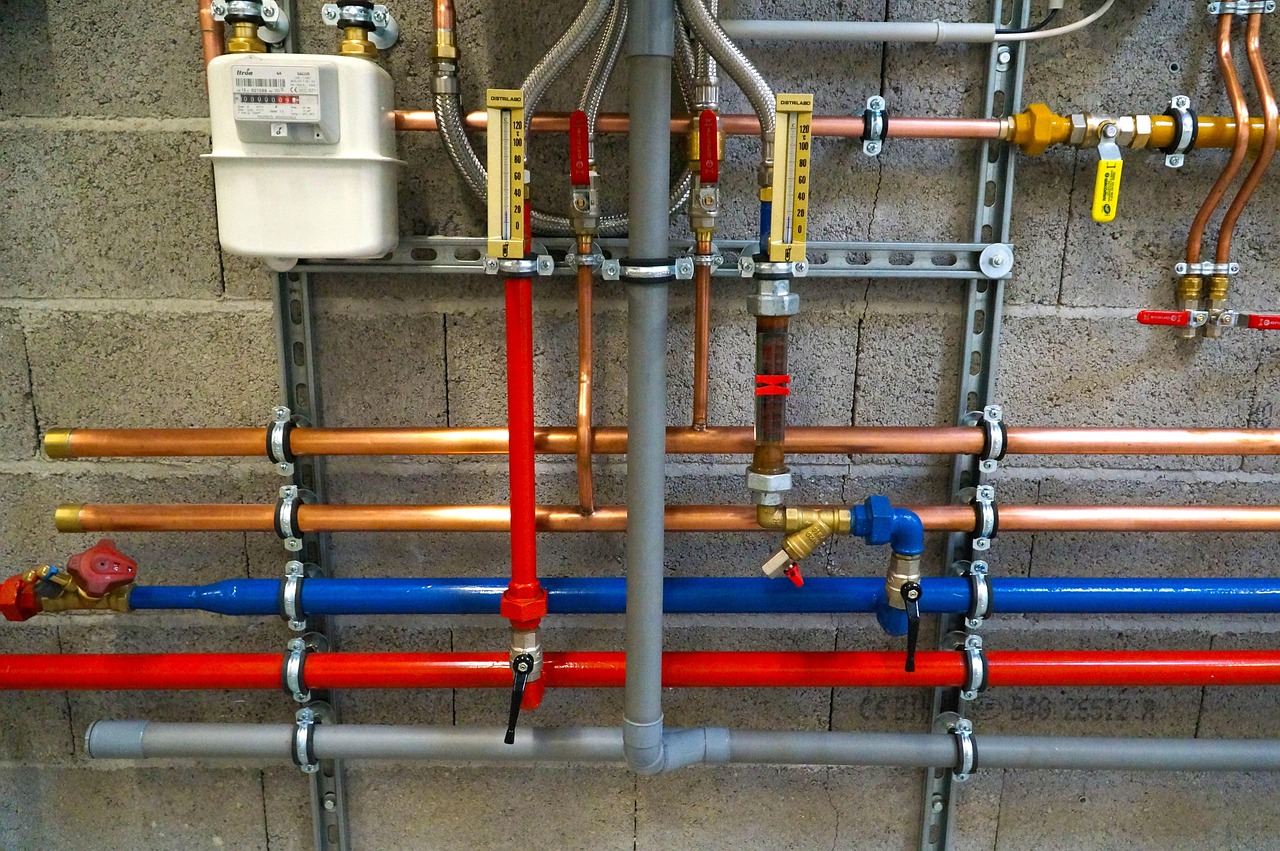
Water filter installation Denver is a smart investment for any homeowner looking to improve the quality of their drinking water and ensure a healthier lifestyle. With various options available, understanding the different types of whole-house water filters can be overwhelming. This guide aims to simplify the process by offering an in-depth comparison of popular choices, helping Denver residents make informed decisions. From cost-effective solutions to advanced filtration systems, we’ll explore what works best for your home and budget.
Understanding Whole-House Water Filters
What is a Whole-House Water Filter?
A whole-house water filter is a comprehensive water treatment system that cleans all the water entering your home. Unlike point-of-use filters, these systems are designed to filter every faucet, showerhead, and appliance connected to your main water supply. This ensures consistent water quality throughout your entire house.
Benefits of Installing a Whole-House Filter
- Improved Water Quality: Removes contaminants like chlorine, lead, pesticides, and heavy metals, providing cleaner and safer drinking water.
- Healthier Living: Reduces the risk of waterborne diseases and contributes to better overall health.
- Cost Savings: Long-term cost savings by eliminating the need for bottled water or frequent delivery of filtered water.
- Environmental Friendly: Reduces plastic waste associated with bottled water consumption.
Types of Whole-House Water Filters
1. Carbon (Activated Carbon) Filters
How it Works: Carbon filters use activated carbon to absorb impurities and improve taste and odor by removing chlorine, volatile organic compounds (VOCs), and certain contaminants.
Advantages:
- Inexpensive and easy to install.
- Effective at improving water taste and smell.
- High flow rates, ensuring minimal pressure drop.
Disadvantages:
- Does not remove all types of contaminants, including bacteria and hard water minerals.
- Requires regular replacement for optimal performance.
2. Sediment Filters
Functionality: Sediment filters trap particles like sand, rust, and sediment, preventing them from entering your home’s plumbing system.
Pros:
- Affordable and simple to maintain.
- Reduces the buildup of harmful sediments in fixtures and appliances.
- Effective at improving overall water clarity.
Cons:
- Does not eliminate contaminants like bacteria or chemicals.
- Requires backwashing or replacement to maintain efficiency.
3. Reverse Osmosis (RO) Systems
Mechanism: RO systems use a semipermeable membrane to remove a wide range of contaminants, including heavy metals, minerals, and chemicals.
Benefits:
- Highly effective in removing up to 98% of contaminants.
- Produces high-purity water for drinking, cooking, and cleaning.
- Reduces the need for multiple filters or treatment stages.
Drawbacks:
- Slow water production rate compared to other systems.
- Wastes some water during the filtration process.
- Requires regular membrane replacement.
4. Ultraviolet (UV) Water Filters
Process: UV filters use ultraviolet light to kill bacteria, viruses, and other microorganisms, ensuring safe drinking water.
Advantages:
- Effective against harmful bacteria and pathogens without altering water chemistry.
- Does not produce any chemical byproducts.
- Low energy consumption.
Considerations:
- Must be used in conjunction with another filtration system due to limited contamination removal.
- Regular lamp replacement is necessary for optimal performance.
5. Distillation Systems
Operation: Distillation involves boiling water and then condensing the steam, leaving behind impurities.
Pros:
- Highly effective at removing bacteria, viruses, and minerals.
- Produces extremely pure water suitable for sensitive applications.
Downsides:
- Energy-intensive process that can lead to high operating costs.
- Slow water production rate, making it less suitable for households.
- Not cost-effective compared to other options in terms of upfront investment.
Factors to Consider When Choosing a Water Filter
1. Water Quality Concerns
Identify the specific contaminants present in your area and understand their potential health effects. This will help you select a filter that targets those issues effectively. Nearby professional water filter installers can conduct tests to assess water quality.
2. Budget Considerations
Water filters vary widely in price, from affordable carbon options to more expensive distillation systems. Set a budget and explore options within that range to find the best value for your money. Keep in mind that regular maintenance or replacement costs should also be factored in.
3. Home Size and Water Usage
The size of your home and family’s water consumption will impact the required filtration capacity. Higher flow rates are needed for larger homes or families with high water usage. Ensure the filter can handle your household’s demands without compromising performance.
4. Ease of Installation and Maintenance
Some filters require professional installation, while others can be installed by homeowners. Consider your comfort level with DIY projects and the time required for maintenance tasks like filter replacements. Local experts can offer same-day water filter installation services for added convenience.
Installation Options: Do It Yourself or Hire a Professional?
Many carbon and sediment filters are designed for easy, do-it-yourself (DIY) installation, making them an attractive budget-friendly option. However, whole-house filters, especially advanced systems like RO or distillation, often require professional expertise for proper setup and optimal performance:
-
Professional Installation Benefits:
- Ensures the filter is correctly sized and installed for your home’s plumbing system.
- Reduces the risk of damage to pipes or appliances during installation.
- Provides peace of mind that the system will function as intended from day one.
-
Finding Local Experts:
- Search for "affordable water filter installation Denver" online to find reputable local companies.
- Check reviews and ratings on trusted websites to gauge their service quality.
- Inquire about emergency water filter replacement services, ensuring someone is available in case of unexpected issues.
Maintenance and Filter Replacement
Regular maintenance is crucial for optimal filter performance and water quality. Different types of filters have varying maintenance requirements:
- Carbon Filters: Replace every 6-12 months, depending on usage and water quality.
- Sediment Filters: Backwash or replace annually to maintain efficiency.
- RO Systems: Change membranes and filters as recommended by the manufacturer (typically every 2-3 years).
- UV Filters: Replace lamps every 9-12 months for best results.
- Distillation Systems: Regularly clean and descale the system to ensure optimal performance.
FAQ: Addressing Common Concerns
Q: How often should I get my water filter replaced?
A: Filter replacement frequency depends on the type of filter, water usage, and local water quality. Carbon and sediment filters typically need replacement every 6-12 months. RO membranes and UV lamp replacements follow manufacturer recommendations, usually every 2-3 years or 9-12 months, respectively.
Q: Can a whole-house filter remove all contaminants?
A: While whole-house filters significantly improve water quality, they may not completely remove all contaminants. Advanced systems like RO and distillation are more effective at reducing a broader range of impurities. Combining multiple filtration stages can provide the best results by targeting specific concerns.
Q: How do I know if I need a water filter?
A: If you’re concerned about the taste, odor, or appearance of your tap water, or if local water quality tests indicate presence of contaminants, installing a whole-house filter is recommended. Regularly checking for rust in pipes and fixtures, as well as maintaining good appliances, can also help determine the need for filtration.
Q: Are water filters expensive to maintain?
A: The cost of maintenance varies based on the filter type. Carbon and sediment filters generally have low maintenance costs, while RO systems and UV lamps require periodic replacement that adds up over time. However, these costs are often offset by the health benefits and long-term savings compared to buying bottled water.
Q: Can I install a water filter myself?
A: Many carbon and sediment filters can be installed by homeowners using simple tools and instructions provided by the manufacturer. For more complex systems, especially whole-house RO or distillation setups, professional installation is recommended for safety and optimal performance.
Conclusion
Choosing the right whole-house water filter in Denver involves considering various factors, from water quality concerns to budget and maintenance preferences. Understanding the unique capabilities of each filter type allows homeowners to make an informed decision. By weighing the pros and cons outlined in this guide, you can select a system that best meets your family’s needs while ensuring safe and healthy drinking water for years to come. Remember, consulting with nearby professional water filter installers can provide valuable insights tailored to your specific situation.
References
- Home | Denver Water — www.denverwater.org
- Denver Permitting Office – City and County of Denver — www.denvergov.org