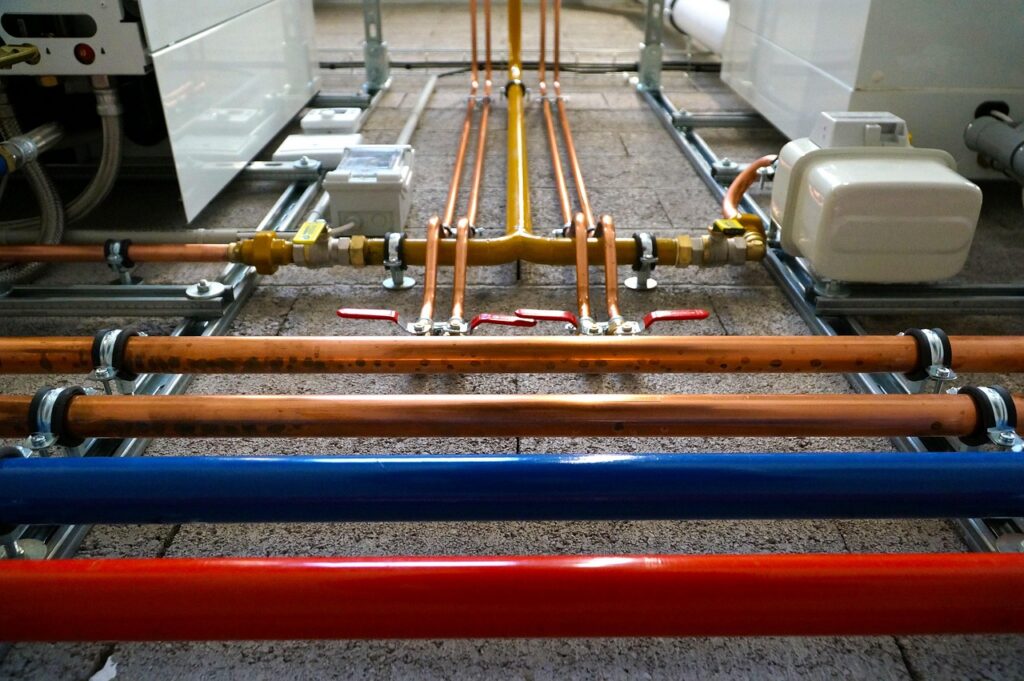
Water filter installation Denver has become an essential consideration for homeowners aiming to improve their water quality and ensure a healthy, safe drinking supply. With various types of filters available, understanding your options is crucial before making an informed decision. This comprehensive guide aims to walk you through the process, ensuring you’re equipped with knowledge when it comes to choosing and installing a water filter in your Denver home.
Why Consider Water Filter Installation in Denver?
Denver’s water supply, like many areas, may contain impurities that can affect taste, odor, and, more importantly, health. Local water treatment facilities work tirelessly to ensure the water meets safety standards, but sometimes additional filtration is necessary for optimal quality. Here’s a breakdown of potential benefits:
- Improved Taste and Odor: Water filters can eliminate unpleasant tastes and odors caused by chlorine, heavy metals, or other contaminants.
- Enhanced Water Quality: They remove harmful substances like lead, mercury, bacteria, and parasites, ensuring cleaner water for drinking, cooking, and bathing.
- Cost Savings: Investing in a water filter can reduce the long-term costs of bottled water or replacing water heaters due to scale buildup.
- Environmental Impact: By reducing plastic waste from bottled water, you contribute to a more sustainable environment.
Types of Water Filters: Unlocking the Options
The market offers diverse water filtering solutions, each with unique advantages and applications. Understanding these types is key to finding the perfect fit for your Denver home:
1. Whole-House Water Filters:
These filters are designed to purify all the water entering your house, providing clean water for every tap, fixture, and appliance. Ideal for areas with consistent water quality issues, whole-house filters ensure a constant supply of filtered water. They are particularly useful for removing sediment, chlorine, and contaminants that may affect the entire household.
2. Pitcher/Countertop Filters:
A popular choice for those seeking an affordable water filter installation Denver solution, pitcher filters are easy to use and install. These filters typically sit on your countertop and use gravity to draw water through a filter cartridge. They are efficient at removing chlorine, heavy metals, and some sediment but may not address more persistent contaminants.
3. Under-Sink Filters:
These filters are installed beneath your kitchen sink, providing filtered water directly from the faucet. Under-sink systems offer advanced filtration capabilities, often targeting specific impurities like lead, mercury, and volatile organic compounds (VOCs). They provide a balanced combination of convenience and high-quality water.
4. Point-of-Use (POU) Filters:
Similar to under-sink filters, POU systems are installed at specific fixtures or appliances, such as your kitchen faucet or showerhead. These filters target specific contaminants, offering a localized solution for areas with particular water quality concerns. They are convenient and cost-effective for targeted purification.
5. Reverse Osmosis (RO) Systems:
RO is a powerful filtration process that removes a wide range of impurities, including heavy metals, minerals, bacteria, and chemicals. These systems typically include multiple filters and a semipermeable membrane to ensure thorough water purification. RO is excellent for obtaining highly purified water but may produce more waste due to the high pressure required.
Choosing the Right Water Filter for Your Denver Home
Selecting a water filter in Denver involves considering various factors, ensuring you make a decision aligned with your specific needs and preferences:
- Water Quality Concerns: Start by identifying what contaminants are present in your area’s water supply. Local water quality reports can guide your choice, ensuring the filter addresses these issues effectively.
- Usage Needs: Determine how much filtered water your household requires daily. This will impact the capacity and flow rate of the filter you choose.
- Maintenance and Cost: Different filters require varying levels of maintenance, from periodic cartridge replacement to more intensive backwashing. Consider the ongoing costs associated with each option.
- Installation Considerations: Some filters are easier to install than others. If DIY installation is appealing, choose a system that aligns with your skill level. Otherwise, consider professional assistance for peace of mind.
Installation Options: From DIY to Professional Services
Water filter installation in Denver offers a range of choices, catering to different comfort levels and budgets:
DIY Installation:
For those comfortable with home improvement projects, DIY water filter installation can be a cost-effective option. Many pitcher and under-sink filters come with user-friendly installation guides and kits. Online tutorials also provide step-by-step instructions for various systems. Remember, while DIY installation saves costs, it may not offer the same level of precision as professional services.
Local Experts:
Hiring local water filter experts ensures a seamless installation process. These professionals are well-versed in Denver’s unique water conditions and can recommend tailored solutions. They handle all aspects, from assessing your needs to installing and testing the system, ensuring optimal performance. Many nearby installers offer same-day services for emergency replacements or new installations.
Emergency Water Filter Replacement: Quick Solutions for Denver Homeowners
Unexpected events, such as pipe bursts or water main disruptions, can disrupt your water supply, leaving you without clean drinking water. In such cases, a quick response is crucial. Here’s how Denver homeowners can handle emergency water filter replacement:
- Identify Backup Filters: Keep spare filters on hand, especially for pitcher and under-sink systems. These can provide temporary relief until a professional installation is possible.
- Contact Local Installers: Reach out to nearby professionals who offer same-day services. They can quickly assess the situation and install a suitable filter to restore your water supply.
- Temporary Solutions: Consider using bottled water as a short-term alternative for drinking and cooking while waiting for a permanent solution.
Frequently Asked Questions (FAQs)
1. How often should I replace my water filter?
The frequency depends on the type of filter, local water conditions, and usage. Typically, pitcher filters need replacement every 2-4 weeks, while under-sink and RO systems may last 6 months to a year before requiring new cartridges or membrane replacement. Regular maintenance ensures optimal performance.
2. Can I install a water filter myself without professional help?
Absolutely! Many DIY installations are achievable with the right tools and instructions. Pitcher filters, for example, often have simple installation processes. However, complex systems like whole-house or RO filters may require professional expertise to ensure proper placement and performance.
3. How do I know if my water needs filtering?
Local water utilities provide annual quality reports detailing contaminant levels. If these reports indicate impurities within acceptable limits, you might not need a filter. However, if you notice unusual tastes, odors, or health concerns, it’s advisable to consult with local professionals who can recommend suitable filters.
4. Are water filters expensive to maintain?
Maintenance costs vary based on the filter type. Pitcher and countertop filters generally have low maintenance requirements, only needing cartridge replacements. Under-sink and RO systems may require periodic backwashing or membrane replacement, which are relatively affordable. Whole-house filters might need periodic cleaning and more extensive servicing.
5. Can water filters improve the taste of cooked food?
While primarily designed for drinking water, some filters also enhance the taste of cooked meals by removing impurities that can affect flavor. RO systems, in particular, are known to produce high-quality water with minimal mineral content, which can result in a purer, more nuanced taste in food preparation.
Conclusion: Taking Control of Your Water Quality
Understanding your water filter options is the first step toward ensuring a constant supply of clean, safe water for your Denver home. With various types and installation methods available, you can choose a solution tailored to your specific needs and budget. Regular maintenance and timely replacements ensure optimal performance, providing peace of mind and improved health benefits.
Whether you opt for DIY installation or seek the expertise of local professionals, investing in water filtration is an investment in your family’s well-being. With affordable water filter installation Denver services readily available, there’s no better time to take control of your water quality than today.
References
- Using Filters – Denver Water — www.denverwater.org
- Water Treatment Solutions – Healing Waters International — healingwaters.org