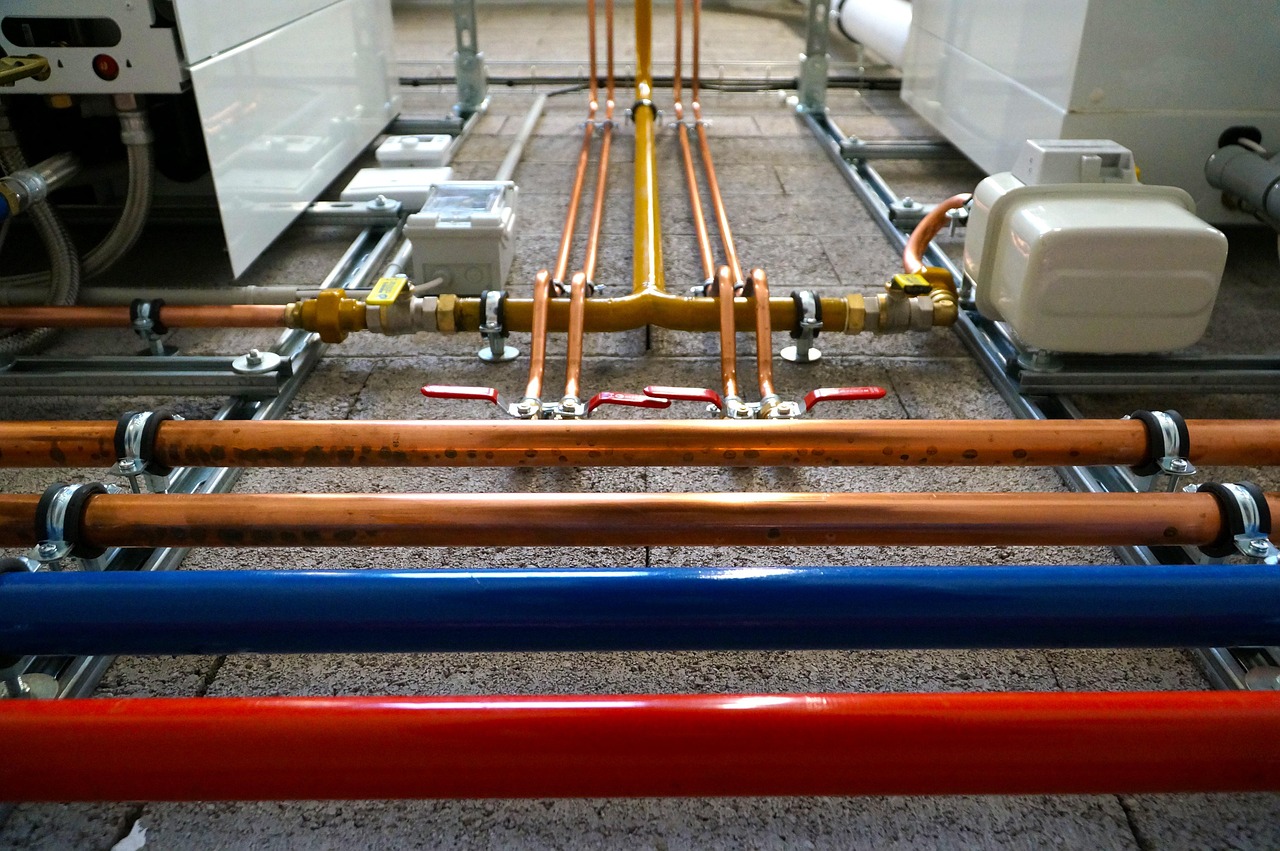
Water filter installation Denver is a smart investment for any homeowner looking to improve the quality of their drinking water. With various types of filters available, understanding your options and finding the right fit for your home can be overwhelming. This guide aims to empower Denver residents with knowledge about water filters, ensuring they make informed decisions when it comes to affordable water filter installation Denver, emergency replacements, or simply maintaining optimal water quality.
Why Consider Water Filters?
Water is a fundamental necessity, and ensuring its purity is essential for your family’s health and well-being. While Denver’s municipal water supply is generally considered safe, contaminants such as chlorine, heavy metals, bacteria, and sediment can affect the taste, odor, and overall quality of your water. Installing a water filter can:
- Improve Taste and Odor: Remove chlorine, which is often added to water supplies for disinfection, leaving behind an unpleasant taste and smell.
- Enhance Water Quality: Filter out harmful contaminants like lead, mercury, and bacteria, ensuring cleaner and safer water for cooking and drinking.
- Save Money: Reduce the need for bottled water by providing a constant supply of filtered water at home.
- Environmentally Friendly: Cut down on plastic waste associated with single-use bottled water.
Types of Water Filters: Understanding Your Options
The market offers a wide array of water filter options, each designed to cater to specific needs. Here’s an overview of the most common types:
1. Pitcher and Dispensers
These are the most basic and affordable water filters. They consist of a pitcher with a built-in filter that removes impurities as you pour water. While effective for removing chlorine and some larger particles, they may not capture all contaminants. Pitcher filters are ideal for occasional use or as a temporary solution.
2. Under-Sink Filters
These are popular among homeowners looking for convenient, whole-house filtering. They are installed under the sink, providing filtered water at every faucet. Under-sink filters offer more advanced filtration capabilities, removing a broader range of contaminants, including lead, mercury, and volatile organic compounds (VOCs). This type is ideal for those seeking continuous access to clean water.
3. Whole-House Water Filters
As the name suggests, these systems filter all incoming water, providing purified water throughout your entire home. They are typically more expensive but offer comprehensive protection against various contaminants. Whole-house filters can be especially beneficial for areas with known water quality issues.
4. Carbon/Activated Charcoal Filters
These filters use activated charcoal to absorb impurities and improve taste and odor. They are effective at removing chlorine, organic chemicals, and certain heavy metals. Carbon filters are commonly found in pitcher and under-sink systems.
5. Sediment Filters
Sediment filters trap particles like sand, rust, and other sediments, ensuring these contaminants do not reach your taps. They protect pipes and appliances from damage caused by sediment buildup.
6. Reverse Osmosis (RO) Systems
RO systems are highly effective at removing a wide range of contaminants, including minerals, bacteria, and chemicals. Water is pushed through a semipermeable membrane, leaving behind impurities. While RO offers excellent filtration, it can be more expensive to install and maintain compared to other types.
How to Choose the Right Water Filter for Your Denver Home
Selecting a water filter should be tailored to your specific needs and water quality concerns. Here’s a step-by-step guide to help you make an informed decision:
1. Assess Your Water Quality:
Start by understanding the potential contaminants in your area. Check with local water suppliers or consult with local water filter experts Denver to determine the most common impurities. This knowledge will help you choose filters that target specific issues.
2. Identify Your Filter Needs:
Consider factors like:
- Usage: How much water do you consume daily? If you have a large family or frequent guests, you may require a more powerful filtration system.
- Space: Measure the available space under your sink or in your cabinet to accommodate the filter system.
- Budget: Determine how much you’re willing to invest in upfront installation and ongoing maintenance costs.
3. Research Filter Brands and Reviews:
Reputable brands often offer high-quality filters with better performance and longevity. Read customer reviews to gain insights into different brands’ effectiveness and reliability. Online forums can also provide valuable feedback from Denver residents who have installed similar filters.
4. Compare Filtration Technologies:
Understand the differences between filter types (activated charcoal, sediment, RO, etc.) and their respective pros and cons. For example, while carbon filters are cost-effective for basic needs, RO systems offer more comprehensive contamination removal but require more maintenance.
5. Check Filter Replacement Costs:
Regular replacement of filters is essential to ensure continuous filtration effectiveness. Compare the frequency and costs of replacing different types of filters to factor into your long-term expenses.
Finding Reputable Water Filter Installation Services in Denver
When it comes to same-day water filter installation services or emergency emergency water filter replacement Denver, turning to professionals can save you time and ensure proper setup. Here’s how to find reputable installers:
1. Local Recommendations:
Ask friends, neighbors, or local hardware stores for recommendations of trusted water filter installers in the area. Word-of-mouth referrals are valuable as they often point you to reliable and experienced professionals.
2. Online Directories:
Search online directories like Yelp, Google My Business, or HomeAdvisor to find nearby professional water filter installers. These platforms allow you to read reviews, compare services, and contact providers directly.
3. Check for Certifications:
Look for installers who are certified by reputable organizations in the plumbing or water filtration industry. Certification ensures they adhere to industry standards and best practices. The Water Quality Association (WQA) is a well-recognized certifying body for water treatment products.
4. Inquire About Experience:
Experience matters when it comes to installation. Choose installers with a proven track record of successful projects in your area. A few years of experience indicates they have encountered various challenges and can handle different types of filters and plumbing setups.
Installation Process: What to Expect
The water filter installation process typically involves the following steps:
- Site Assessment: The installer will inspect your home, assess the existing plumbing, and determine the best location for the filter system.
- Filter Selection: Based on your needs and water quality analysis, they will help you choose the right type and brand of filter.
- Installation: They will install the filter according to manufacturer guidelines, ensuring proper connections to water lines and fixtures.
- Testing: After installation, the installer will test the system to ensure it functions correctly and meets the desired water quality standards.
- Maintenance Instructions: Reputable installers will provide you with maintenance instructions, including regular filter changes, to keep your system running optimally.
Frequently Asked Questions (FAQs)
1. How often should I change my water filters?
The frequency of filter changes depends on the type of filter and your water usage. Carbon filters in pitcher or under-sink systems typically need replacement every 2-6 months, while whole-house RO systems may require monthly or bimonthly changes. Regular filter maintenance ensures peak performance and protects your plumbing system from contamination.
2. Can water filters improve the taste of my coffee?
Absolutely! Many coffee enthusiasts appreciate the difference that filtered water makes in their brew. Water with impurities can affect the flavor and aroma of coffee, so using filtered water can enhance your morning cuppa. Reverse osmosis systems are particularly effective at removing minerals and chemicals that might alter the taste of your beverages.
3. Are water filters expensive to maintain?
The cost of maintaining a water filter varies. While upfront installation fees may vary depending on the complexity, replacement filters are generally affordable. Carbon filters, for example, are relatively inexpensive, while RO membranes require periodic replacement but last longer. Regular maintenance ensures your system remains efficient and effective, minimizing long-term costs.
4. Can I install a water filter myself?
Most standard under-sink or pitcher water filters can be installed by homeowners with basic DIY skills. However, for complex systems or whole-house installations, it is recommended to hire professional installers. They have the expertise and tools to ensure proper setup, especially in challenging plumbing configurations.
5. How do I know if my water needs filtering?
If you notice any changes in taste, odor, or appearance of your water, it might be an indication that filtration is necessary. Additionally, checking with local water suppliers or consulting with best local water filter experts Denver can provide insights into the typical contaminants in your area. They can guide you on whether a filter is essential for your specific situation.
Conclusion: Investing in Clean Water for Your Denver Home
Choosing and installing a water filter is an investment in your family’s health, convenience, and peace of mind. By understanding your water quality needs, exploring different filter types, and enlisting the help of affordable water filter installation Denver professionals, you can ensure access to clean, safe, and great-tasting water. Whether it’s a temporary pitcher filter or a comprehensive whole-house system, there’s a solution that fits every Denver homeowner’s budget and requirements.
References
- Home | Denver Water — www.denverwater.org
- Home | Division of Water Resources — dwr.colorado.gov