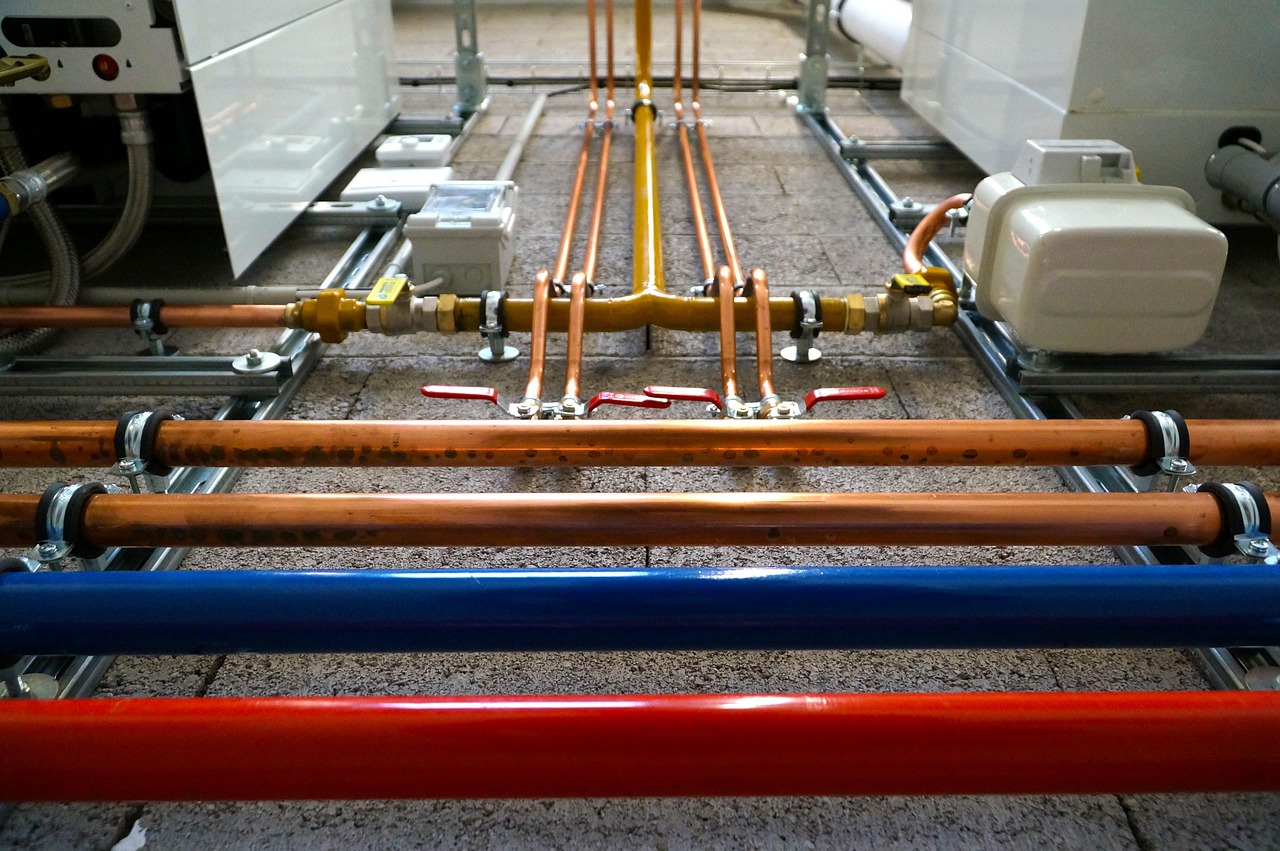
Water filter installation Denver is an essential service that ensures your family has access to clean, safe, and healthy water. In a city known for its diverse climate and varying water sources, proper water filtration is crucial to maintaining the quality of your home’s water supply. This comprehensive guide will walk you through the process of water filter maintenance, offering valuable insights into ensuring the longevity of your filtration system and providing tips for emergency situations.
Understanding Water Filter Installation Denver: The Basics
Water filters are designed to remove impurities and contaminants from your home’s drinking water, improving its taste, odor, and overall safety. There are various types of water filters available, each with unique benefits, including carbon (activated charcoal), sediment, ultraviolet (UV), and reverse osmosis systems.
When it comes to installation, many Denver residents opt for professional services, ensuring a hassle-free process and peace of mind. Affordable water filter installation Denver is easily accessible, allowing you to improve your water quality without breaking the bank. Local experts are equipped with the knowledge and tools to handle any residential water filtration needs, from basic whole-house systems to specialized under-sink setups.
Why Water Filter Maintenance Matters
Regular maintenance of your water filter system is vital for several reasons:
-
Water Quality: Filters remove impurities like chlorine, heavy metals, bacteria, and sediment, ensuring your water remains clean and safe. Over time, these impurities can build up, compromising the effectiveness of your filter.
-
System Longevity: Proper maintenance extends the life of your water filtration system. Regular cleaning or replacement prevents clogs and ensures optimal performance.
-
Cost-Effectiveness: Investing in routine maintenance is more affordable than unexpected repairs or complete system replacements. It helps you avoid costly emergency situations.
-
Health Benefits: Clean water is essential for good health. By removing contaminants, you reduce the risk of waterborne diseases and improve overall well-being.
Water Filter Maintenance 101: A Step-by-Step Guide
1. Understanding Your Filter System
Before diving into maintenance, familiarize yourself with your water filter setup. Different systems have unique requirements:
-
Whole-House Filters: These are typically installed near the main water supply and treat all incoming water. They require periodic backwashing or flushing to remove accumulated impurities.
-
Under-Sink Filters: Commonly used for drinking water, these filters attach directly to a faucet or sink. They usually need regular cartridge replacements.
-
Whole-House Reverse Osmosis (RO) Systems: RO systems use a semi-permeable membrane to remove contaminants. Regular membrane cleaning and filter changes are essential.
2. Regular Cleaning and Backwashing
Many filters, especially whole-house systems, require backwashing or flushing to remove accumulated sediment and impurities.
How often you need to perform this task depends on:
- Water quality in your area
- The age of your filter
- Usage rates within your household
As a general guideline:
- Sediment filters should be cleaned or backwashed every 3-6 months.
- Carbon filters may require replacement every 6-12 months, depending on usage.
3. Cartridge or Media Replacement
Over time, filter cartridges or media need to be replaced to maintain optimal performance. Carbon and sediment filters typically have replaceable cartridges, while RO systems use membranes that need periodic cleaning or replacing.
When to Replace:
- Follow the manufacturer’s guidelines for replacement intervals.
- Check your water quality report (if available) to determine if impurities have increased.
- Taste, odor, or visible changes in water quality can also indicate the need for a new cartridge.
4. Monitoring Water Pressure
Maintaining proper water pressure is crucial for the efficiency of your filtration system. High pressure can strain the filter, while low pressure may indicate a clog or issue with the system.
How to Monitor:
- Install a pressure gauge near your main water supply to track pressure levels.
- Regularly check for sudden drops or spikes in pressure, which could signal problems.
5. Emergency Water Filter Replacement
In cases of sudden contamination or system failure, immediate action is necessary:
- Boil Water: If a waterborne outbreak occurs, boil your water before consumption until the issue is resolved.
- Use Nearby Professional Services: For emergency filter replacements, reach out to nearby professional water filter installers. They offer same-day services and can provide temporary solutions until a more permanent fix is in place.
Frequently Asked Questions (FAQs)
Q: How often should I get my water filter checked?
A: It’s recommended to have your water filter system professionally inspected annually. This routine check ensures optimal performance and allows experts to identify potential issues before they become serious problems.
Q: Can I maintain my own water filter without professional help?
A: While some maintenance tasks are straightforward, complex systems may require professional expertise. Regular cleaning and basic cartridge replacements can often be done by homeowners, but for system-wide issues or emergency repairs, contacting a local expert is advisable.
Q: What signs indicate that I need to replace my water filter?
A: Keep an eye out for these indicators: noticeable changes in water taste or odor, decreased water pressure, increased energy bills (due to strained filtration), and visible sediment buildup in faucets or showerheads.
Q: Are there any environmental benefits to using water filters?
A: Absolutely! Water filters reduce the strain on local water treatment facilities by decreasing the need for chemical treatments to purify water. They also minimize waste, as many filters can be recycled or reused, contributing to a more sustainable environment.
Conclusion
Water filter installation Denver is a valuable investment in your home’s water quality and your family’s health. Regular maintenance ensures the longevity of your filtration system, providing you with clean and safe water for years to come. By following this comprehensive guide and seeking professional assistance when needed, Denver residents can enjoy peace of mind knowing their water supply is in top condition.
Remember, maintaining your water filter system is an easy and affordable way to stay ahead of potential issues, ensuring access to high-quality water whenever you need it. For all your water filtration needs, consider reaching out to the best local water filter experts Denver has to offer, who are ready to provide same-day services and emergency solutions.
References
- 2026 UN Water Conference: 4 priorities for global leaders — www.weforum.org
- The water-energy nexus: why managing water stress is the key to… — www.weforum.org