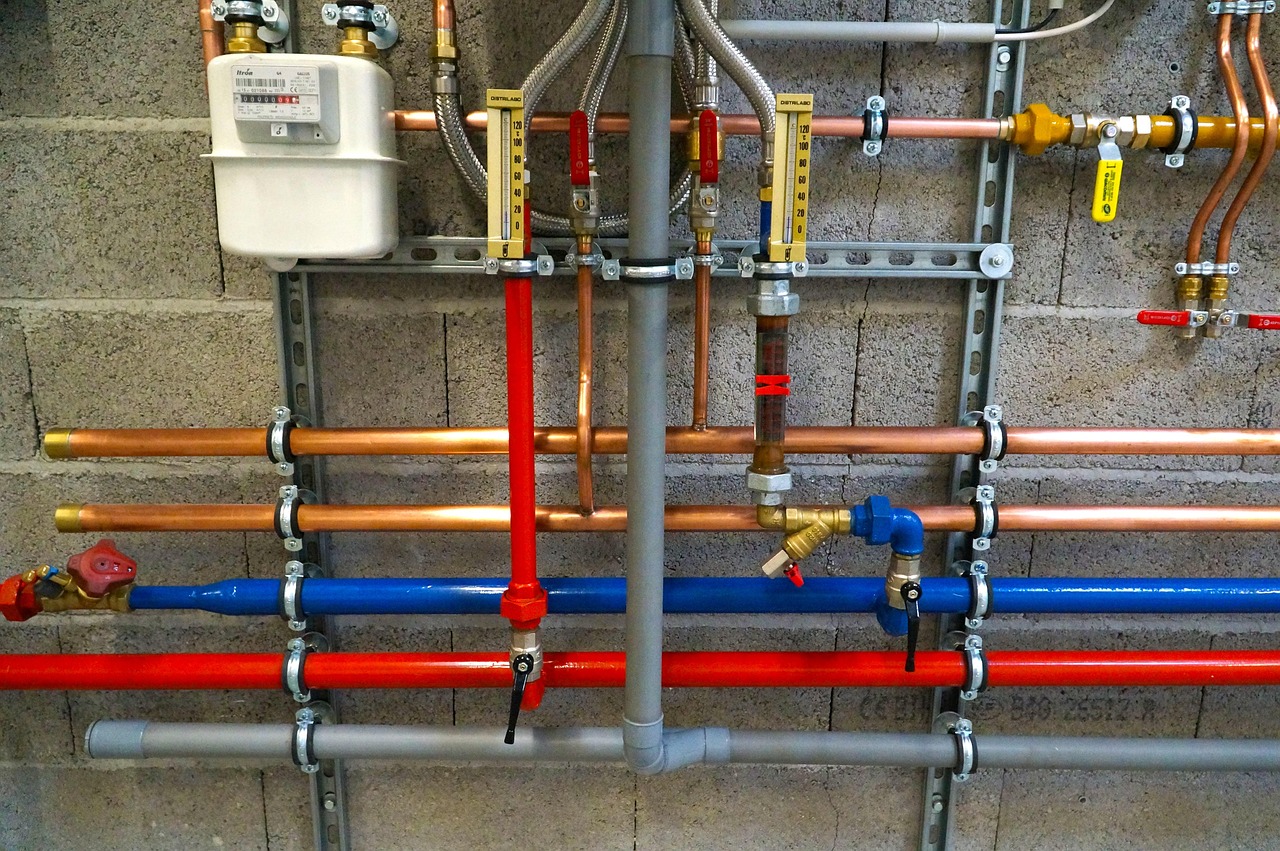
When it comes to ensuring the best water quality in your Denver home, proper water filter installation and regular maintenance are essential. In this comprehensive guide, we’ll walk you through everything you need to know about maintaining your water filters, from understanding different types of filters to emergency replacement services in Denver. By following these steps, you can extend the life of your water filters and enjoy clean, fresh water for years to come. Let’s dive into ‘Water Filter Maintenance 101’ and explore how to keep your Denver home’s water filtration system running smoothly.
Understanding Water Filters: Types and Their Importance
Different Types of Water Filters
Water filters come in various types, each designed for specific purposes. Knowing the difference between them is crucial for effective maintenance. Here are some common water filter types:
-
Carbon (Activated Carbon) Filters: These are widely used for improving taste and odor by removing chlorine, volatile organic compounds (VOCs), and certain contaminants. They also enhance water flow rate.
-
Sediment Filters: Effective at capturing rust, sand, and other large particles, sediment filters protect your pipes and appliances from damage. Regular replacement is key to maintaining their efficiency.
-
Reverse Osmosis (RO) Systems: RO filters are highly effective in removing a wide range of contaminants, including heavy metals, bacteria, and minerals. They produce high-purity water but may require more maintenance.
-
Ultraviolet (UV) Filters: UV filtration is excellent for disinfecting water by inactivating bacteria and viruses. It’s often used as a secondary treatment method after other filters.
Why Water Filter Maintenance Matters
Regular maintenance ensures that your water filter functions optimally, providing the best protection against contaminants. Over time, filters can become clogged or contaminated, compromising water quality. Here’s how proper maintenance benefits you:
-
Improved Water Quality: Regularly maintained filters capture more contaminants, resulting in cleaner and safer drinking water.
-
Extended Filter Life: Proper care increases the lifespan of your water filters, saving you money on frequent replacements.
-
Cost Efficiency: By minimizing damage to pipes and appliances due to contaminated water, regular maintenance can reduce long-term repair costs.
Water Filter Installation Denver: Getting Started
If you’re considering installing a water filter in your Denver home, here’s what you need to know:
Choosing the Right Filter for Your Home
The first step is selecting the appropriate water filter system based on your specific needs and water quality issues. Factors to consider include:
-
Water Source: Is it city water or a well? Different sources may require unique filtration solutions.
-
Contaminant Levels: Test your water for common contaminants like lead, chlorine, bacteria, or hard water minerals. This guides you in choosing the right filter media.
-
Flow Rate and Capacity: Ensure the filter can handle your home’s water usage without compromising flow rate.
Hiring Professional Installers
In Denver, it is recommended to hire professional installers for a seamless and secure water filter installation process. Here’s why:
-
Expertise and Experience: Local experts have knowledge of the area’s water conditions and can recommend tailored solutions.
-
Safe Installation: They follow industry standards and guidelines, ensuring your plumbing system is properly protected during the installation.
-
Warranty Support: Many professional installers offer warranty services for installed filters, providing peace of mind.
Affordable Water Filter Solutions in Denver
Water filter installation doesn’t have to break the bank. Many companies in Denver offer affordable options without compromising on quality:
-
Same-Day Services: Some local experts provide quick turnarounds, offering same-day installation for urgent needs.
-
Customized Packages: Choose from various packages catering to different budgets and filter requirements.
-
Promotional Discounts: Keep an eye out for seasonal discounts or promotional offers to save on your water filtration system.
Regular Water Filter Maintenance: A Step-by-Step Guide
Proper maintenance is the cornerstone of a healthy water filtration system. Here’s how you can maintain your Denver home’s water filters effectively:
1. Schedule Regular Backwashing
Backwashing is a critical step in maintaining carbon and sediment filters. It involves reversing the flow to remove accumulated debris or contaminants. Most systems have an automatic backwash cycle, but manual backwashing may be required for older models. Check your filter’s user manual for guidance on frequency.
2. Change Filters According to Manufacturer Recommendations
Filter replacement is essential for maintaining water quality. Replace sediment and carbon filters at the intervals suggested by the manufacturer. RO membranes typically need replacing every 1-3 years, depending on usage. Regularly inspect your filter housing for any signs of damage or clogging before it’s too late.
3. Monitor Water Quality and Filter Performance
Stay vigilant about water quality changes. Look out for unusual tastes, odors, or discolored water, as these could indicate filter issues or contaminant intrusion. Modern filters often come with monitoring systems that alert you when replacements are needed. Regularly test your water to ensure it meets safety standards.
4. Clean Filter Housings and Connections
Over time, mineral deposits and debris can accumulate in filter housings and connections. This reduces efficiency and can lead to leaks. Use a solution of warm water and vinegar or a specialized cleaning agent to remove buildup. Rinse thoroughly before installing new filters.
5. Inspect for Leaks and Pipe Damage
Regularly check your plumbing system for any signs of leaks or corrosion, especially around filter connections. Promptly repair or replace damaged parts to prevent further complications. Addressing issues early can save you from costly repairs.
Emergency Water Filter Replacement in Denver
Despite regular maintenance, emergency situations may arise where you need immediate water filter replacement:
-
Sudden Change in Water Quality: If you notice a sudden change in taste, odor, or appearance of your water, it could indicate a contamination event. Replace filters and run the system for a few minutes to flush out contaminants.
-
Leaking Filter Housing: If a housing becomes severely damaged or leaks, it’s best to replace the entire unit to prevent further contamination.
-
Power Outage or Flooding: In such cases, the water pressure may affect filter integrity. Replace filters and clean connections after the event.
In Denver, several local companies offer 24/7 emergency services for water filter replacement. Ensure you have their contact details handy for quick response during critical situations.
Finding Top Local Water Filter Experts in Denver
When searching for reliable water filter experts in Denver, consider these factors:
-
Reputation and Reviews: Look for companies with excellent online reviews and a strong local reputation. Websites like Angie’s List or Google Reviews can be valuable resources.
-
Licensing and Certification: Ensure they are licensed and certified by relevant authorities to provide water treatment services.
-
Local Expertise: Opt for companies that have been serving Denver and its surroundings for many years, as they likely have extensive local knowledge.
-
Customer Service: Responsive and friendly customer service is a sign of a reputable business. Check their availability and quickness in responding to inquiries.
Frequently Asked Questions (FAQs)
Q: How often should I change my water filters?
A: Filter replacement frequency depends on the type, usage, and quality of your water. Carbon and sediment filters typically need changing every 6-12 months, while RO membranes last 1-3 years. Regularly inspect manufacturer guidelines for specific filter maintenance schedules.
Q: Can I maintain my water filter myself, or do I need a professional?
A: While some basic maintenance tasks like backwashing and cleaning connections can be done by homeowners, complex repairs, installations, or system checks are best left to professionals. They have the tools and knowledge to ensure proper and safe filtration.
Q: What happens if I don’t maintain my water filters?
A: Improperly maintained filters can become clogged, reducing water flow and potentially allowing contaminants to pass through. This may result in inferior water quality, increased health risks, and damage to plumbing or appliances due to contaminated water. Regular maintenance prevents these issues.
Q: How do I know if my water needs filtering?
A: Test your water for various contaminants using at-home testing kits or contact local laboratories. Look out for unusual tastes, odors, or discolored water as indicators of potential problems that require filtration.
Q: Are there any water filters that don’t need regular replacement?
A: While some technologies, like UV filtration, reduce the need for frequent filter changes, they still require periodic maintenance and bulb replacements. Regular cleaning and inspection are crucial for all types of water filters to ensure optimal performance.
Conclusion: Protecting Your Denver Home’s Water Quality
Proper water filter installation and maintenance are essential components of ensuring clean, safe drinking water in your Denver home. By following the tips outlined in this guide, you can extend the lifespan of your water filters, save on replacement costs, and maintain optimal water quality for your family. Remember to stay vigilant about regular maintenance tasks and contact local experts when needed. With the right care, your water filtration system will provide years of reliable service, safeguarding your home’s water supply.