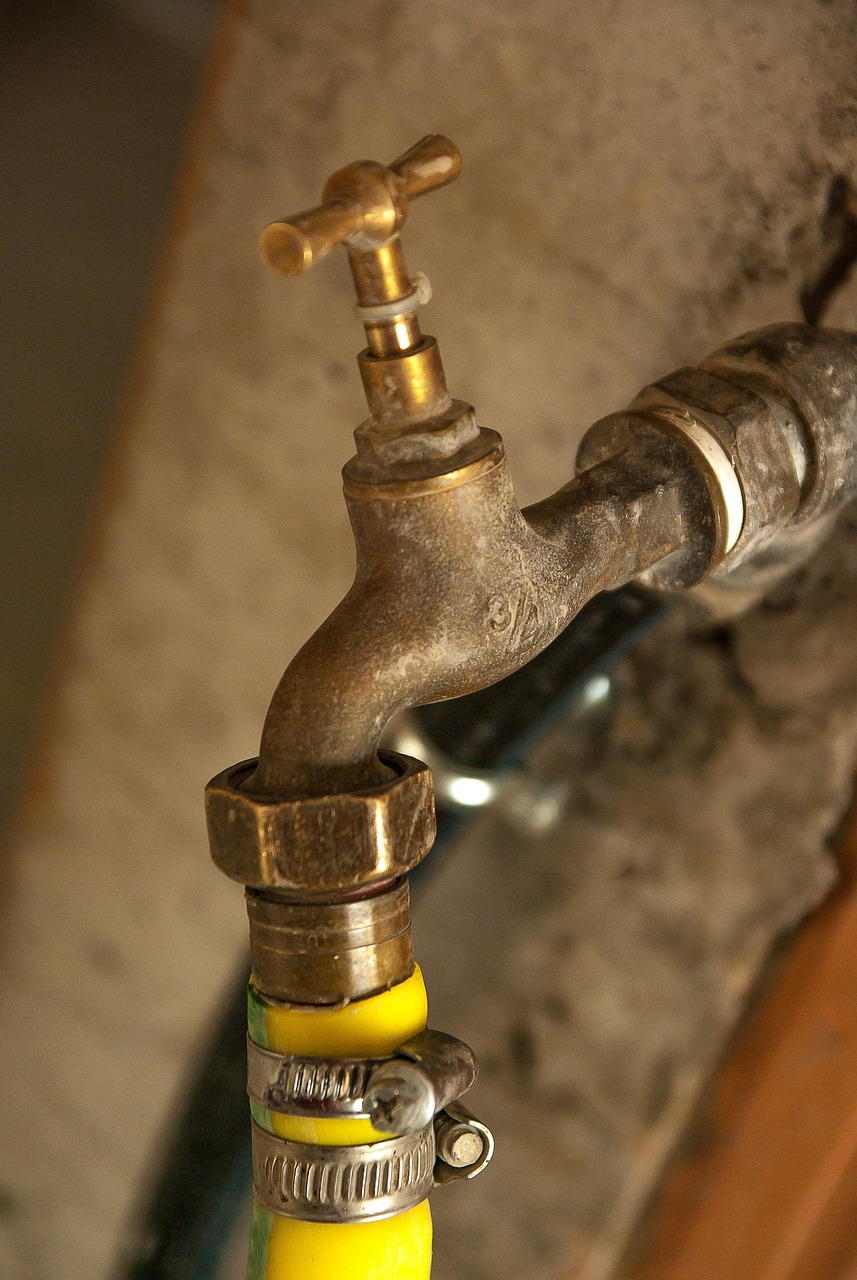
Water filter installation Denver is an investment in your family’s health and well-being. In a city known for its vibrant outdoors and active lifestyle, having access to clean, safe drinking water is paramount. At the same time, Denver’s unique water sources can present challenges, from high mineral content to potential contaminants. This article explores the numerous health benefits of filtered water and why turning to local experts for water filter installation Denver is a smart choice.
Understanding the Importance of Clean Water
The Hidden Dangers in Your Water Supply
Tap water in Denver, like many areas, undergoes extensive treatment to remove bacteria and other harmful substances. However, even after this process, several potential contaminants can remain:
- Heavy Metals: Lead, mercury, and arsenic are common heavy metals that can leach into water from aging pipes or nearby industrial activities.
- Pesticides and Herbicides: Agricultural runoff can introduce these chemicals into local water sources.
- Chlorine and Fluoride: While added to promote hygiene, many people prefer to reduce their exposure to these additives.
- Microorganisms: Despite treatment, bacteria, viruses, and parasites can survive in tap water.
The Impact on Your Health
Consuming contaminated water can have severe short-term and long-term health effects:
- Gastrointestinal Issues: Contaminated water is a leading cause of diarrhea, nausea, and other digestive problems, especially in children.
- Chronic Diseases: Long-term exposure to certain contaminants has been linked to increased risks of cancer, kidney damage, and neurological disorders.
- Allergies and Sensitivities: Some people are more sensitive to specific chemicals or minerals in water, leading to skin irritations, respiratory issues, and other allergic reactions.
The Benefits of Filtered Water
1. Removal of Contaminants
Water filters are designed to remove a wide range of contaminants, ensuring your family drinks clean, safe water:
- Sediment and Particulates: These include dust, sand, and rust particles that can affect taste and appearance.
- Bacteria and Viruses: Effective filters kill or trap harmful microorganisms, preventing their entry into your home.
- Heavy Metals: Many filters are specifically designed to reduce lead, mercury, and other heavy metals.
- Pesticides and Herbicides: Carbon and mineral-based filters can help eliminate these agricultural chemicals.
- Chlorine and Fluoride: Reverse osmosis and activated carbon filters are highly effective at removing these additives.
2. Improved Taste and Odor
Contaminants in water can significantly impact its taste and odor, which is where filters come to the rescue:
- Reduced Chlorine Taste: Many people find that filtered water has a fresher, more pleasant taste due to the removal of chlorine.
- Elimination of Odd Odors: Musty or earthy odors in water are often caused by contaminants like sulfur bacteria. Filters can resolve these issues.
- Enhanced Flavor Profile: For coffee and tea lovers, filtered water brings out the true flavors of their beverages without overpowering mineral notes.
3. Better for Your Skin and Hair
Drinking and using filtered water has several benefits for your skin and hair:
- Reduced Irritation: Contaminants in water can irritate skin and contribute to conditions like eczema. Filtered water is gentler on the skin.
- Improved Hair Health: By reducing exposure to chemicals, filtered water may help prevent hair damage and dryness.
- Enhanced Skin Hydration: Pure water helps your body hydrate more efficiently, leaving your skin looking healthier and more radiant.
Why Choose Professional Water Filter Installation in Denver?
The Advantages of Expert Services
While DIY water filter systems are available, professional installation offers several advantages:
- Expertise and Experience: Local experts like the team at [Your Company Name] have extensive knowledge of Denver’s water sources and the specific filters needed to address local contamination issues.
- Customized Solutions: They can assess your home or business and recommend the best filter system tailored to your needs and budget.
- Effortless Installation: Letting professionals handle the installation saves you time, hassle, and potential damage to your plumbing.
- Peace of Mind: With a job well done by experts, you can be confident that your water filtration system is installed correctly and efficiently.
Same-Day Services and Emergency Replacement
In a city like Denver, where outdoor activities are year-round, unexpected water quality issues can arise at the most inconvenient times. That’s why many nearby professional water filter installers offer:
- Same-Day Installation Services: For urgent needs, prompt service ensures your home or business has clean water quickly.
- Emergency Water Filter Replacement: Broken or malfunctioning filters can be replaced fast, minimizing disruption to your daily routine.
Types of Water Filters for Denver Homes and Businesses
Understanding Your Options
Several types of water filters are available, each with unique advantages:
1. Activated Carbon Filters
- How They Work: These filters use carbon blocks or granules to absorb contaminants based on size and charge.
- Benefits: Highly effective at removing chlorine, pesticides, heavy metals, and bad odors.
- Common Use: Ideal for whole-house systems, kitchen faucets, and pitcher filters.
2. Reverse Osmosis (RO) Systems
- How They Work: RO uses a semipermeable membrane to remove contaminants by pushing water molecules through the membrane while trapping impurities.
- Benefits: Highly effective at removing a wide range of contaminants, including heavy metals, minerals, and bacteria.
- Common Use: Best for whole-house filtration or under-sink systems that provide filtered water on demand.
3. Distillation Systems
- How They Work: Water is heated to turn it into steam, then condensed back into liquid, leaving behind impurities.
- Benefits: Produces extremely pure water by removing bacteria, viruses, and chemicals.
- Common Use: Often used in emergency or portable systems, but less common for residential use due to energy consumption and slower flow rates.
4. Ultraviolet (UV) Filters
- How They Work: UV light kills microorganisms like bacteria and viruses by disrupting their DNA.
- Benefits: Effective at disinfection without adding chemicals to water.
- Common Use: Typically used as a secondary filter alongside other types for enhanced disinfection.
Choosing the Right Water Filter for Your Property
Factors to Consider
When selecting a water filter, keep these factors in mind:
- Water Quality Concerns: Identify specific contaminants of concern based on your location and home or business characteristics.
- Flow Rate Requirements: Consider how much filtered water you need per minute for various applications, from cooking to cleaning.
- Budget: Water filters range widely in price. Set a budget that aligns with your needs and financial situation.
- Maintenance and Cost Over Time: Some filters require more frequent replacement or backwashing, impacting long-term costs.
- Aesthetics and Space: Choose a filter that fits well in your space and complements your decor.
FAQs on Water Filter Installation Denver
1. How often do I need to replace the filter?
The frequency of filter replacement depends on several factors, including water quality, usage rates, and the type of filter. Typically, carbon filters should be replaced every 6-12 months, while RO membranes may last up to 3 years. Regular maintenance ensures optimal performance and water quality.
2. Can I install a water filter myself?
While some filters are designed for DIY installation, professional services offer several advantages, including expert knowledge, correct installation, and peace of mind. Most complex systems or whole-house installations are best left to professionals.
3. What happens if my water filter isn’t maintained?
Without proper maintenance, your water filter can become less effective at removing contaminants. This can lead to reduced water quality, potential health risks, and increased buildup of impurities in your pipes. Regular replacement or backwashing, as recommended by the manufacturer, ensures continued effectiveness.
4. How do I know if my water needs filtering?
If you notice issues like strange odors, tastes, or visible sediment in your water, it’s a good indication that filtration is necessary. Additionally, consulting with local water quality reports and experts can provide insights into specific contaminants in your area.
5. Are water filters cost-effective?
Absolutely! While the initial investment in a water filter system may seem high, the long-term savings on bottled water or professional emergency services make it a cost-effective choice. Moreover, improved health and reduced medical expenses related to waterborne illnesses can further offset the costs.
Conclusion: Invest in Clean Water for Better Living
Water is essential to life, and having access to clean, safe drinking water is crucial for your family’s health and well-being. In Denver, where water quality concerns vary depending on the source and neighborhood, installing a suitable water filter is an investment that pays dividends. By choosing professional water filter installation services from local experts, you ensure that your home or business has the protection it needs against potential contaminants. With various types of filters available, you can find a solution tailored to your specific needs, preferences, and budget. Don’t wait until an emergency arises—take control of your water quality today!