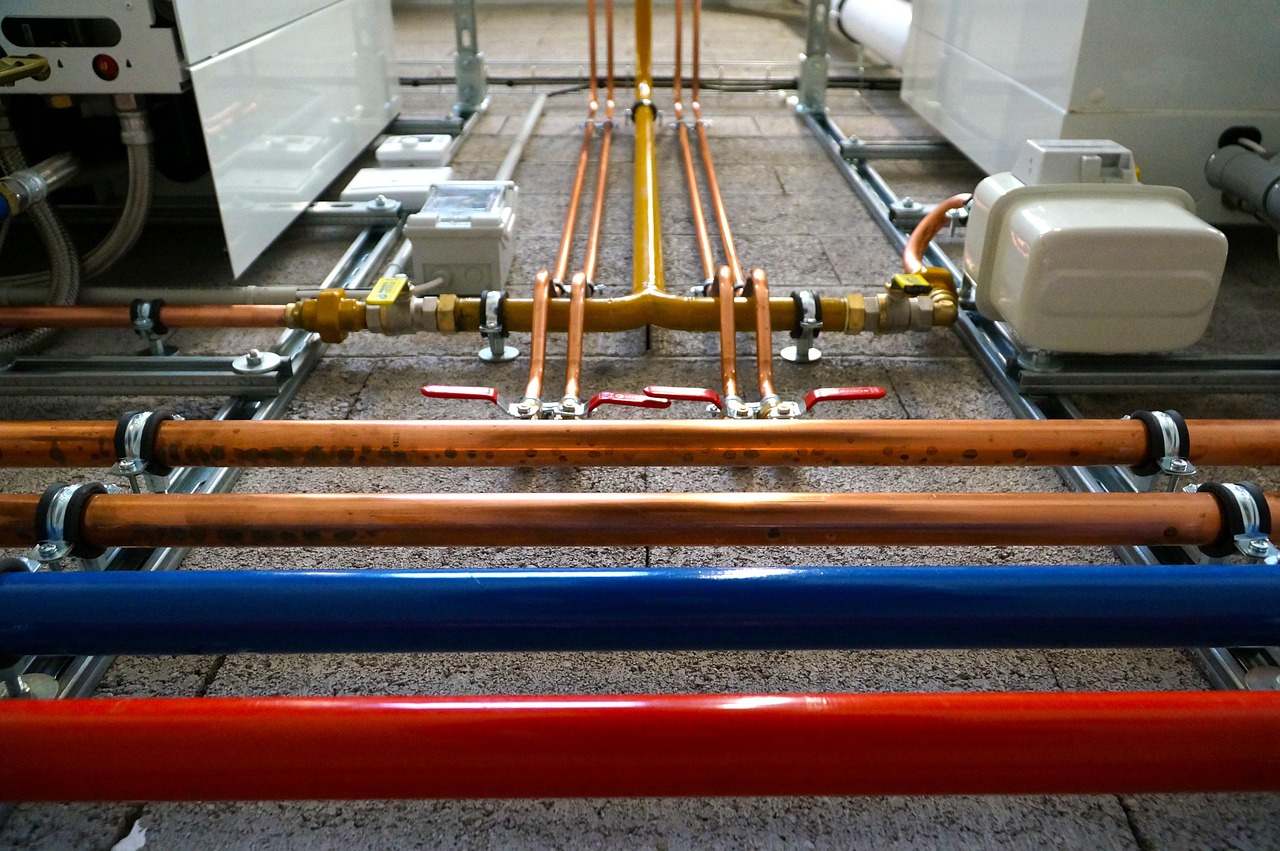
Water filter installation Denver is a smart investment, especially in areas with hard water where minerals like calcium and magnesium can build up, leading to scaled pipes, reduced water pressure, and even damage to appliances. This guide will help you navigate the world of water filtration systems tailored for Denver’s unique hard water challenges, ensuring you find the perfect solution for your home or business.
Understanding Hard Water in Denver
Denver experiences hard water primarily due to the mineral content in its local water supply. The presence of calcium and magnesium carbonates makes the water harder, leading to various issues over time. Recognizing these problems is crucial to understanding why a high-quality water filter is essential for your peace of mind and plumbing health.
Common Signs of Hard Water:
- Scale Buildup: You’ll notice mineral deposits on faucets, showerheads, and appliances like coffee makers.
- Reduced Water Pressure: Hard water can cause pipes to become blocked, restricting water flow.
- Shortened Appliance Lifespan: Hard water contributes to the erosion of internal components in washing machines, dishwashers, and water heaters.
Benefits of Investing in a Water Filter System
Installing a water filter in your Denver home or business offers numerous advantages that extend beyond just better-tasting water:
1. Improved Health:
Removing harmful contaminants ensures you and your family consume safer water, which is especially important for people with weakened immune systems or specific health conditions.
2. Enhanced Taste and Smell:
Filters eliminate chlorine, heavy metals, and other substances that can affect the taste and odor of your drinking water.
3. Cost Savings:
By reducing mineral buildup in pipes and appliances, regular water filter maintenance becomes easier and more cost-effective over time. You’ll also save on the frequent replacement of appliances affected by hard water.
4. Environmental Impact:
Some filters can reduce plastic waste associated with bottled water consumption, contributing to a greener lifestyle.
Types of Water Filters for Denver Homes
The market offers various types of water filtration systems tailored to meet different needs and budgets. Understanding these options is key to making an informed decision:
1. Whole-House Water Filters:
These filters are installed at the main water supply line, providing filtered water to every faucet and appliance in your home. They effectively remove contaminants from the entire water source.
Types:
- Carbon Filters: Popular for their ability to reduce chlorine, volatile organic compounds (VOCs), and improve taste/odor.
- Reverse Osmosis (RO): Highly effective at removing a wide range of contaminants, including heavy metals and minerals.
2. Point-of-Use (POU) Filters:
POU filters are designed to treat water at specific fixtures or appliances, offering targeted filtration without affecting the rest of your plumbing system.
Options:
- Faucet Mount Filters: Easy to install and replace, these filters provide filtered water from individual taps.
- Under-Sink Filters: More powerful than faucet mounts, they offer filtered water on demand through a dedicated tap.
- Pitcher/Jug Filters: Ideal for those seeking an affordable, convenient way to filter small amounts of water.
3. Water Softeners:
While primarily focused on removing minerals that cause hard water, some water softeners also include filtration components. They’re a great choice if you’re dealing with scale buildup and related issues.
Choosing the Right Water Filter for Your Denver Home
Selecting the perfect water filter involves considering several factors:
1. Water Quality Test:
Start by testing your water to identify specific contaminants present, helping you choose a filter designed to address them effectively. Local labs or water filtration companies often offer these services.
2. Budget:
Filters vary widely in price, from affordable options like faucet mounts to more expensive whole-house systems. Set a budget and explore options within it.
3. Family Needs:
Consider the size of your household and how much water you consume daily. Larger families or frequent entertainment may require a more robust system.
4. Maintenance Requirements:
Some filters, like carbon models, need regular replacement, while RO systems typically require periodic membrane cleaning. Choose based on your schedule and willingness to maintain the system.
Installing Your Denver Water Filter
Proper installation ensures your water filter works optimally and safely. Many local experts offer both installation services and guidance for DIY enthusiasts:
1. Hiring Professional Installers:
- Best Local Water Filter Experts Denver: Explore online directories or ask neighbors for recommendations to find reputable, experienced installers.
- Same-Day Services: Some companies offer quick response times, ensuring you have clean water sooner.
- Emergency Water Filter Replacement Denver: For unexpected issues, nearby professional installers can provide urgent solutions.
2. DIY Installation (Select Systems):
Faucet mounts and under-sink filters are often user-friendly, allowing for DIY installation with basic tools and some technical knowledge. Ensure you follow the manufacturer’s instructions carefully.
3. Precautions:
- Always shut off the water supply before beginning any installation work.
- Wear protective gear when handling chemicals or tools.
- Test your filter after installation to ensure it functions correctly.
Maintaining Your Water Filter System
Regular maintenance ensures your Denver water filter continues to provide high-quality water:
1. Filter Changes:
Follow the manufacturer’s schedule for replacing filters, as stale filters can reduce performance and allow contaminants through.
2. Flushing and Cleaning:
Some systems require periodic flushing or cleaning of components like RO membranes to maintain optimal efficiency.
3. Monitor Water Quality:
Regularly test your water to ensure the filter is removing the intended contaminants effectively.
Conclusion: Finding the Perfect Fit for Your Denver Home
Water filter installation Denver offers a range of options tailored to meet the unique challenges of hard water in the area. By understanding your specific needs, testing your water quality, and exploring the various types of filters available, you can make an informed decision. Whether hiring local experts or installing a system yourself, maintaining regular filter changes and proper maintenance will ensure your Denver home enjoys clean, safe water for years to come.
FAQ:
Q: How do I know if I have hard water?
A: Look for signs like reduced water pressure, scale buildup on fixtures and appliances, and shorter appliance lifespans. A professional water test is the most accurate way to confirm hard water conditions in your Denver home.
Q: Can water filters improve the taste of tap water?
A: Absolutely! Many people notice a significant improvement in the taste and odor of their tap water after installing a quality filter, eliminating chlorine, heavy metals, and other unwanted substances.
Q: How often should I change my water filter?
A: The frequency depends on several factors, including water usage, filter type, and local water conditions. Carbon filters typically need replacement every 6-12 months, while RO membranes may last 2-5 years with proper care.
Q: Are water filters a good investment for my Denver business?
A: Certainly! Commercial water filtration systems can enhance the appearance and quality of your establishment’s water, showing customers you prioritize their experience. Plus, it reduces the risk of waterborne illnesses, protecting both employees and clients.
Q: Can I install a water filter myself, or do I need a professional?
A: Many faucet mounts and under-sink filters are designed for DIY installation. However, whole-house systems or complex setups may require professional expertise to ensure proper placement and safety.
References
- 2026 UN Water Conference: 4 priorities for global leaders — www.weforum.org
- What will it take to grow investment in water infrastructure? — www.weforum.org