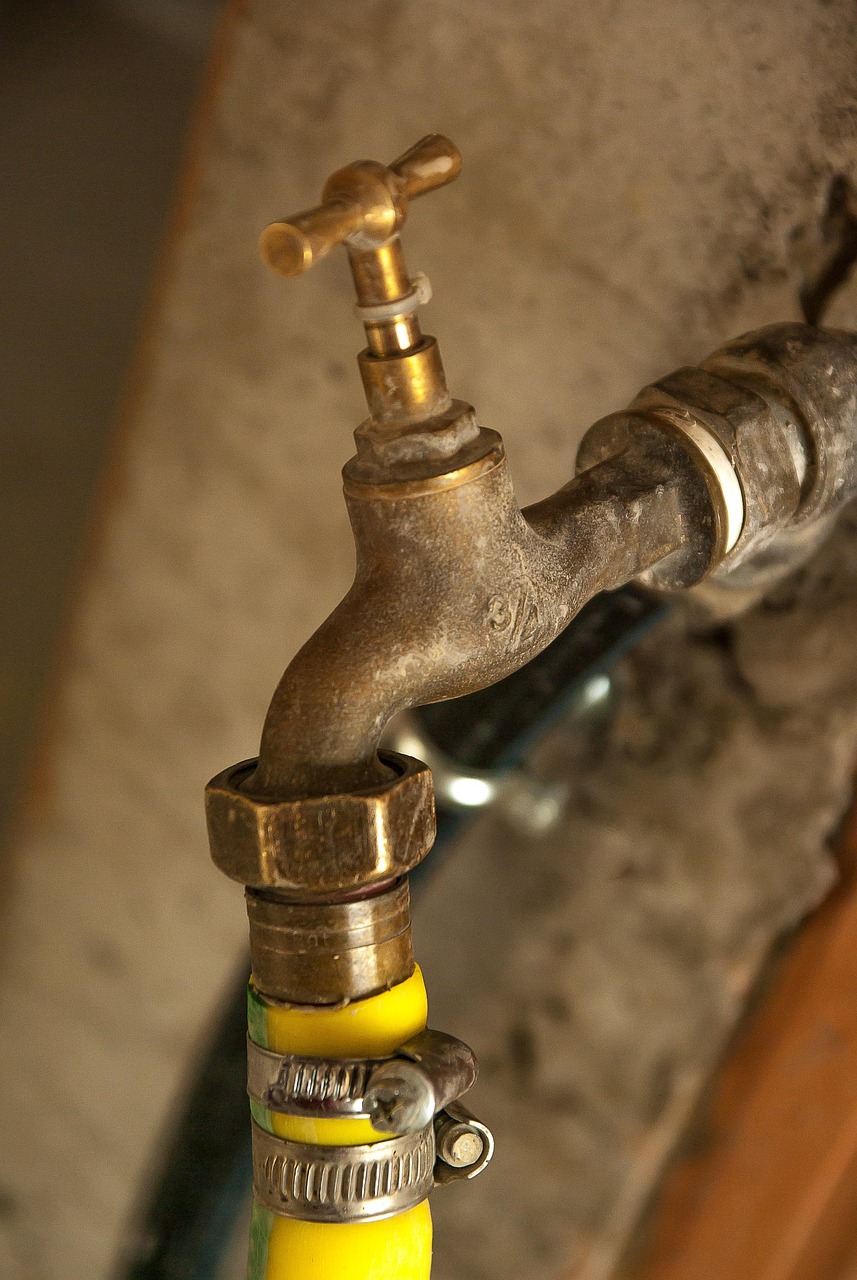
Learn everything you need to know about water filter installation in Denver, from types of filters and their benefits to finding affordable local experts who can provide same-day service when needed. This guide equips Denver homeowners with the knowledge to make informed decisions about their water quality.
Water Filter Installation Denver: Your Guide to Clearer Water
Water is essential to our health and well-being, which makes ensuring its purity paramount. In Denver’s unique water landscape, understanding your options for water filtration is crucial. This comprehensive guide dives into the world of water filters, covering types, benefits, installation considerations, and highlighting affordable water filter installation Denver professionals who can transform your water quality.
Why Consider Water Filtration?
Water filters are essential tools for improving the taste, smell, and appearance of your water while removing harmful contaminants. Depending on your specific needs and water source, different types of filters target various pollutants, including:
-
Chlorine and Chemical Byproducts: Many municipal water supplies include chlorine and other chemicals to disinfect water. These substances can leave an unpleasant taste and odor. Filters designed for sediment reduction also address these issues.
-
Sediment and Particulates: Dust, dirt, and sand can cloud your water and reduce its clarity. Water filters effectively capture these sediments, ensuring cleaner water for drinking, cooking, and bathing.
-
Bacteria and Microorganisms: While chlorination helps control bacteria, some contaminants may still linger. Advanced filters like reverse osmosis (RO) systems offer a powerful barrier against bacteria, viruses, and other microorganisms.
-
Lead and Heavy Metals: Older plumbing systems may contribute to water contamination with lead and other heavy metals. Specialized filters target these toxic substances for safer drinking water.
Types of Water Filters: What Works Best For You?
Several types of water filters cater to diverse needs, budgets, and installation preferences. Understanding their unique characteristics helps you make an informed choice:
1. Activated Carbon Filters:
-
How They Work: These filters use activated carbon (acetate) to absorb contaminants. The porous structure traps chemicals, impurities, and odors as water passes through.
-
Benefits: Effective at removing chlorine, bad tastes and odors, and some heavy metals. Widely available in various capacities, from pitcher filters to whole-house systems.
-
Drawbacks: Limited removal of sediment or bacteria. Requires regular replacement for optimal performance (typically every 2-6 months).
2. Sediment Filters:
-
How They Work: Sediment filters trap particles like sand, rust, and dirt before they enter your water system.
-
Benefits: Improves water clarity and taste by removing visible sediment. Inexpensive to install and maintain.
-
Drawbacks: Do not remove chemicals or bacteria. Must be replaced regularly (usually every 1-3 months).
3. Reverse Osmosis (RO) Systems:
-
How They Work: RO filters use a semipermeable membrane to filter out contaminants, forcing water molecules through while trapping impurities.
-
Benefits: Highly effective at removing bacteria, viruses, heavy metals, minerals, and other pollutants. Produces very pure water.
-
Drawbacks: More expensive than other options. Requires regular backwashing and filter changes. Produces wastewater (about 1:1 ratio of purified to waste water).
4. UltraViolet (UV) Filters:
-
How They Work: UV filters use ultraviolet light to kill bacteria, viruses, and other microorganisms without affecting the taste or smell of your water.
-
Benefits: Disinfects water without adding chemicals. Environmentally friendly.
-
Drawbacks: Does not remove sediment, chemicals, or minerals. Requires regular lamp replacement (typically every few years).
Water Filter Installation Denver: Choosing the Right Expert
When it comes to affordable water filter installation Denver, trusting your search to local professionals ensures a seamless and stress-free experience. Consider these factors when selecting a contractor:
-
Experience and Reputation: Look for installers with proven track records and positive customer reviews.
-
Licensing and Insurance: Ensure the company is licensed and insured, protecting you in case of any issues during installation or afterwards.
-
Types of Filters Offered: Choose experts who provide a range of filter options to tailor solutions to your specific needs and budget.
-
Same-Day Service: For emergency situations, opt for installers offering same-day service to avoid disruption to your daily routine.
Same-Day Water Filter Installation: A Lifesaver
Unexpected water quality issues can arise at any time, leaving you without clean drinking water. In these situations, emergency water filter replacement Denver services are invaluable. Reputable installers offering same-day service can quickly address problems, ensuring your family has access to safe, potable water again promptly.
Maintaining Your Water Filter: Ensuring Longevity and Quality
Regular maintenance is crucial for keeping your water filter functioning optimally and delivering the best possible water quality. Follow these guidelines:
- Follow Manufacturer Recommendations: Each type of filter has specific maintenance requirements. Refer to the manufacturer’s instructions for replacement intervals and cleaning procedures.
- Backwash When Necessary: Certain filters, like RO systems, require periodic backwashing to remove accumulated impurities from the membrane.
- Monitor Water Quality: Regularly check your water’s clarity, taste, and odor for any signs of deterioration, which may indicate filter saturation or other issues.
Frequently Asked Questions (FAQs)
-
How often should I replace my water filter?
Filter replacement intervals vary based on the type of filter, water quality, and usage. Generally, carbon filters need replacing every 2-6 months, sediment filters every 1-3 months, and RO systems require regular backwashing and filter changes (approximately every 12-24 months).
-
Can I install a water filter myself?
Many filters can be installed by homeowners, but complex whole-house systems or specialized setups may require professional assistance. Consult the manufacturer’s instructions or contact a local expert for guidance.
-
Will a water filter remove all contaminants?
No single filter technology removes 100% of contaminants. The effectiveness varies depending on the type of filter and the specific pollutants present in your water supply. A combination of filters often provides the best results.
-
Are water filters expensive to operate?
While initial installation costs can vary, many filters have minimal ongoing expenses. Carbon and sediment filters typically require regular replacement (which is relatively affordable), while RO systems may generate some wastewater but generally provide a reliable source of clean water with proper care.
-
How do I know if I need a water filter?
If you notice issues like bad taste, odor, cloudiness, or low water pressure, these could be signs of contaminated water. Testing your water quality is the best way to determine if a filter is necessary and which type would be most effective.
Conclusion:
Choosing the right water filter installation Denver professional and understanding the various types of filters available empower you to make informed decisions about your family’s water quality. By addressing contaminants effectively, you ensure cleaner, safer drinking water while potentially saving money in the long run. Remember to schedule regular maintenance and replacements to keep your system running smoothly.