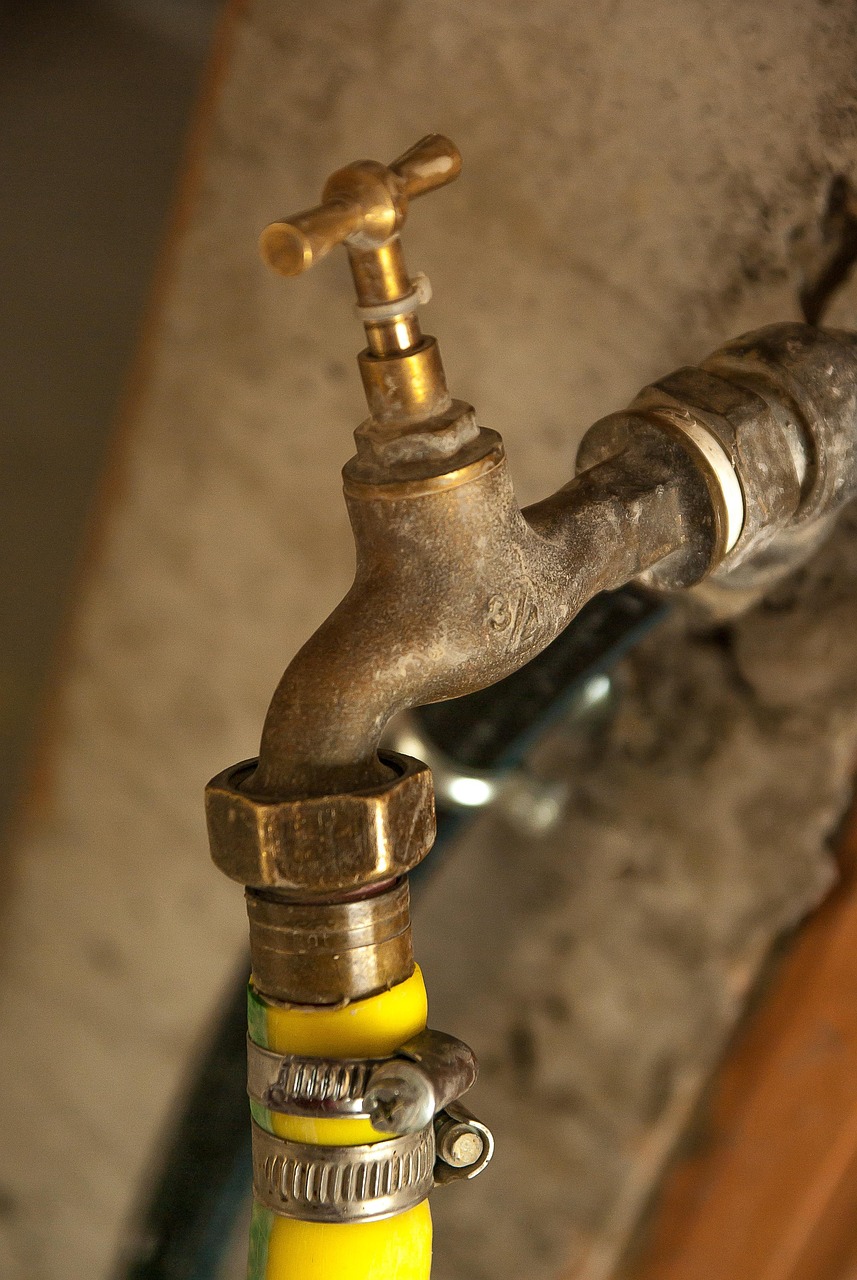
Water filter installation in Denver, CO, is an important step towards ensuring your family’s access to clean and safe drinking water. With various water sources potentially containing contaminants, having a reliable filtration system is crucial. This guide aims to empower Denver homeowners by offering a comprehensive understanding of water filters and the installation process, ensuring you make informed decisions for your home’s water quality.
Why Choose Water Filter Installation in Denver?
Denver’s water supply, while generally considered safe, can encounter issues like hard water, bacteria, sediment, and even chemical contaminants. These factors can affect taste, odor, and overall water quality. Here’s how a water filter installation service can benefit your home:
- Improved Water Quality: Filters remove impurities, ensuring cleaner water for drinking, cooking, and bathing.
- Taste and Odor Enhancement: Say goodbye to metallic tastes and unpleasant odors by eliminating contaminants.
- Cost Savings: Avoid costly bottled water purchases by having filtered water on tap.
- Environmental Impact: Reduce plastic waste by relying on a reusable filtration system.
Types of Water Filters: What’s Right for Denver?
Understanding the different types of water filters available is essential to making an informed choice for your Denver home. Here are some common options:
1. Carbon (Activated Carbon) Filters
These filters use activated carbon to absorb impurities and improve taste and odor. They are effective against chlorine, volatile organic compounds (VOCs), and certain contaminants. Carbon filters come in various forms, including pitcher filters, under-sink systems, and whole-house filters.
2. Reverse Osmosis (RO) Systems
Reverse osmosis is a highly effective method for removing a wide range of contaminants, including minerals, bacteria, and chemicals. RO systems force water through a semi-permeable membrane, leaving behind impurities. While powerful, they can be more expensive to install and may produce waste water during the filtration process.
3. Distillation Filters
Water distillation involves boiling water and condensing the steam, leaving behind impurities. This method is effective against bacteria, viruses, and minerals. Distillation units can be energy-intensive but provide high-purity water.
4. Ultraviolet (UV) Filtration
UV filtration uses ultraviolet light to inactivate bacteria, viruses, and other microorganisms. It does not remove physical contaminants but is an excellent secondary filter for existing systems. UV filters are commonly used in combination with other types of filtration.
Step-by-Step Guide: Water Filter Installation Process in Denver
Now that you understand the options, let’s delve into what to expect during a water filter installation service in Denver.
1. Site Assessment and Consultation
The first step involves a thorough assessment of your home’s plumbing system and water needs. A professional installer will:
- Inspect existing pipes, fixtures, and water sources.
- Discuss your specific concerns and desired filtration levels.
- Recommend suitable filter types based on your water analysis (if available).
2. Permits and Regulations
In some cases, obtaining permits or adhering to local regulations is necessary, especially for whole-house filtration systems or significant modifications. Check with Denver’s building department or consult your installer for guidance.
3. Filter Selection and Sizing
Based on the assessment, you’ll choose the appropriate filter type and size. Factors to consider:
- Water Usage: Higher usage requires larger filters or multiple filtration stages.
- Contaminant Levels: Different filters target specific impurities.
- Budget: Compare prices and warranties for various options.
- Installation Ease: Some systems are designed for DIY installation, while others require professionals.
4. Installation Preparation
Before the actual installation, there are a few preparations to ensure a smooth process:
- Turn off relevant water valves to allow work access.
- Protect nearby floors and fixtures with drop cloths or covers.
- Ensure adequate space for new filtration equipment.
- Remove existing filters (if applicable) for proper disposal or recycling.
5. Filter Installation
This is where the magic happens! Professional installers will:
- Connect the filter(s) to your water supply according to local codes.
- Install new pipes, valves, or fittings as required.
- Test the system to ensure no leaks and proper water pressure.
- Provide instructions for maintaining and replacing filters.
6. Testing and Quality Assurance
After installation, it’s crucial to test the water quality:
- Run cold and hot water through each faucet to ensure proper filtration.
- Check for any residual odors or tastes that may indicate incomplete filtering.
- Consider professional water testing services for comprehensive results.
Benefits of Choosing Local Experts in Denver
When considering water filter installation, nearby professionals offer several advantages:
- Local Knowledge: Denver’s local experts are familiar with the region’s water quality challenges and code requirements.
- Rapid Response: Many local companies provide same-day or emergency services for unexpected issues.
- Personalized Service: You’ll receive tailored advice and recommendations based on your specific needs.
- Warranty Support: Local installers often offer after-sales support and warranty services, ensuring long-term satisfaction.
Emergency Water Filter Replacement in Denver
Accidents happen! If your water filter fails or is damaged due to sudden issues like burst pipes, don’t panic. Several local companies in Denver offer emergency water filter replacement services:
- 24/7 Availability: Some providers offer around-the-clock support for critical situations.
- Swift Response: Quick turnaround times ensure minimal disruption to your daily routine.
- Temporary Solutions: Emergency filters provide immediate relief while waiting for a permanent fix.
Frequently Asked Questions (FAQs)
1. How often should I replace my water filter?
The frequency depends on various factors, including water quality, usage, and filter type. Carbon filters typically need replacing every 6-12 months, while RO systems may require replacement every 2-3 years. Regular testing can help determine the optimal replacement schedule.
2. Can I install a water filter myself?
Some filters are designed for DIY installation, but complex systems often require professional expertise. Improper installation can lead to leaks, contamination, or damage. For peace of mind and warranty coverage, consider hiring licensed professionals.
3. What happens if my water pressure decreases after installation?
Decreased water pressure is usually a result of the initial filtration process removing impurities that previously affected flow. This issue typically resolves itself within a few days as the system stabilizes. If it persists, contact your installer for an assessment.
4. Are water filters expensive to maintain?
Maintenance costs vary depending on the filter type and usage. While initial installation fees can be significant, many filters have affordable replacement parts. Regular cleaning or replacement ensures optimal performance with minimal expense.
5. How do I know if my water needs filtration?
If you notice unusual tastes, odors, or health issues, it’s a good indicator that your water may require filtering. Local water quality reports and consulting with professionals can also help determine the need for a filtration system.
Conclusion: Securing Your Home’s Water Quality
Water filter installation in Denver is a proactive step towards ensuring your family’s well-being and comfort. By understanding different filter types, the installation process, and local resources, you’re now equipped to make informed decisions. Remember, clean water is essential for a healthy lifestyle, so invest in a reliable filtration system tailored to your Denver home’s unique needs.
Whether you need emergency replacement or routine maintenance, nearby professionals are ready to assist. Stay proactive about your water quality, and enjoy the benefits of filtered water throughout your Denver home!